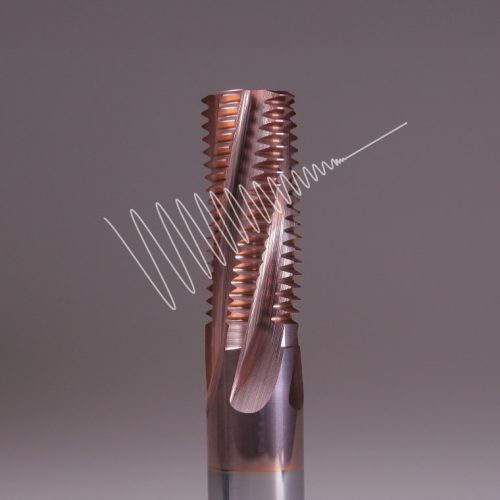
Form strong threads – quickly, reliably and chip-free
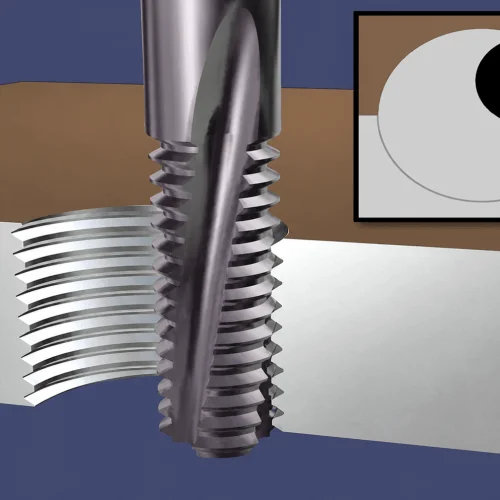
With thread forming taps, also known as roll taps, the thread is produced by plastically deforming the material into the required thread profile rather than cutting it. This means that no chips are generated, resulting in an efficient threading process with strong threads and an excellent surface finish.
Thread forming is best suited for ductile materials, meaning materials that can be plastically deformed without cracking. Examples include many grades of steel, stainless steel and aluminium alloys.
The same tap can be used for both blind and through holes and, depending on the tap design, across a range of different materials. This simplifies production, reduces the need for tool changes and contributes to high productivity, long tool life and lower overall costs.
- Chip-free thread forming → no chips need to be evacuated from the hole.
- Strong threads → excellent surface finish and good resistance to pull-out and fatigue.
- High productivity → allows high machining speeds and long tool life.
- Flexible use → the same thread forming tap can be used in several materials as well as for both blind and through holes.
RC – for efficient thread forming
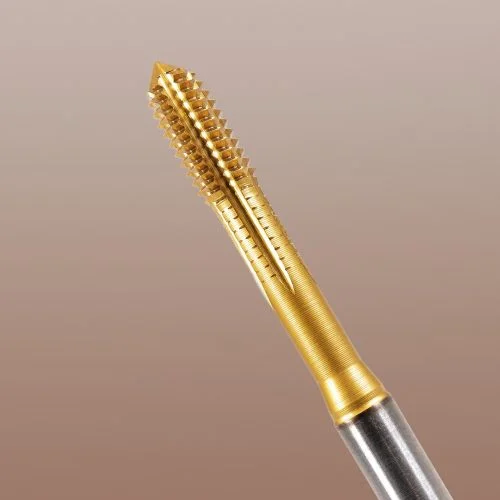
The tap is made from powder metallurgy high-speed steel containing cobalt (HSSE-PM) and features an advanced multilayer coating.
The hard, heat-resistant TiAlN base layer provides strength and durability, while the TiN top layer ensures low friction and smooth machining.
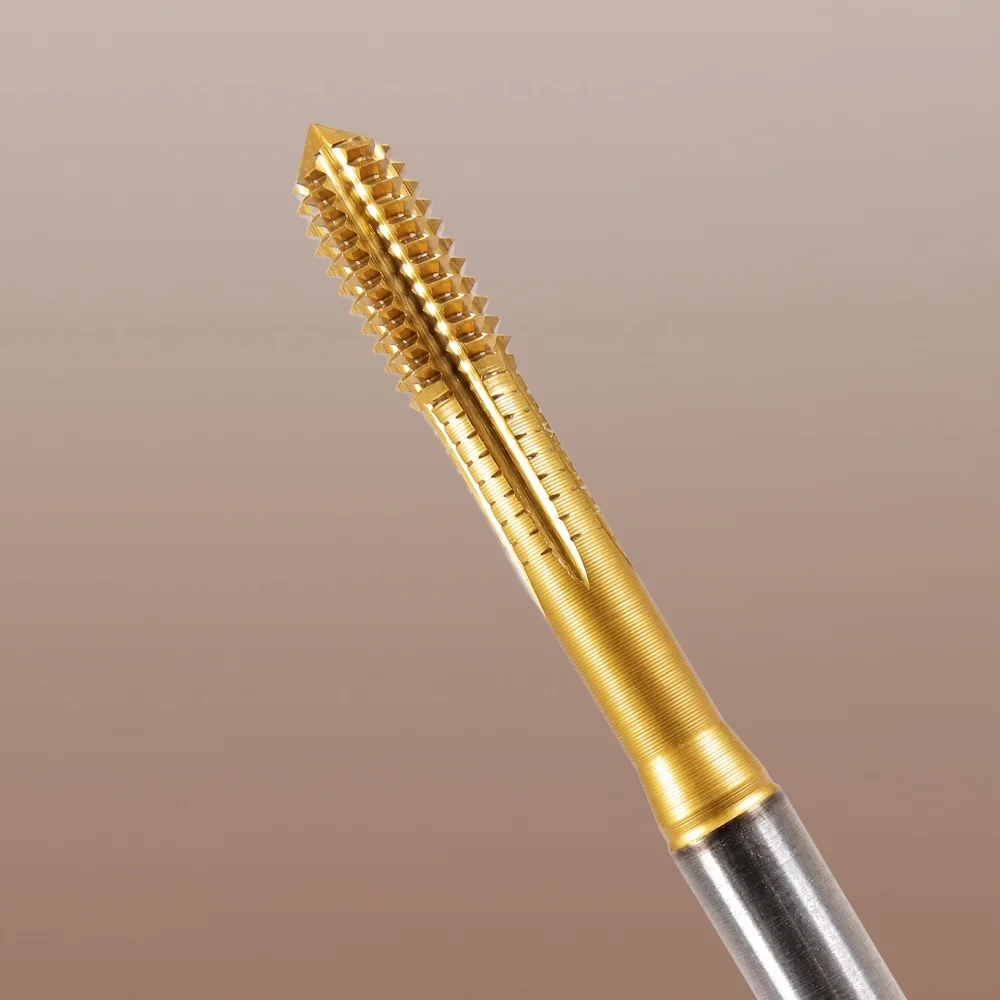
SmiCut’s thread forming tap produces strong threads without generating chips.
Cutting data, lubrication and drill diameter
When thread forming, the correct drill diameter is especially important. Since the thread is produced by plastically deforming the material into the required profile, the hole diameter must be different from that used for cutting taps.
Good lubrication is also very important. Because the material is formed rather than cut, high friction occurs between the tool and the workpiece. A coolant with good lubricating properties reduces friction and helps extend tool life.
We recommend using SmiCalc to find the correct cutting data and recommended drill diameter for your application. Select the material, thread size and thread forming tap to receive recommended values for parameters such as cutting speed and drill diameter.